THE DIVERSIFICATION LABA self-concept lab for surgeons who are ready to loosen the grip of a single identity and discover what else is possible.
Most surgeons were trained to build their entire life around one role. Over time, that role becomes your identity — your worth, your safety, your future.
When that happens, even small threats or changes can feel overwhelming. The pressure to perform intensifies. Fear gets louder. Your nervous system stays on high alert because it believes everything depends on one path continuing exactly as planned.
The Diversification Lab is a guided practice in separating who you are from what you do — so your life doesn’t feel fragile, narrow, or one-dimensional. This is about you going to work with your will, not against it. This is about you knowing that you have the power to burn your surgery to the career to the ground, and still be okay.


This isn’t about leaving surgery.
It’s about no longer living with the fear that losing it would destroy you.
By diversifying your internal identity — values, interests, relationships, meaning, self-trust — you create a life that can adapt, evolve, and stay grounded under pressure.
When your identity is no longer singular:
fear loses its grip
decision-making becomes clearer
pressure softens
confidence becomes internal, not conditional
The Diversification Lab is for surgeons who want to feel steady, whole, and self-directed — no matter what happens next.

This is your moment.
Not to work harder — but to stop letting one role carry the entire weight of your life.
You’ve spent years doing everything right.
Training. Sacrificing. Performing. Holding yourself to impossible standards.
And somewhere along the way, surgery stopped being something you do and became who you are.
The Diversification Lab exists to help you loosen that grip — not so you lose focus, but so your life doesn’t feel so fragile.
This is your time to step out of survival mode and into a steadier, more expansive sense of self.
A way of living where your nervous system doesn’t panic at the idea of change.
Where your identity isn’t one bad outcome away from collapse.
Inside this lab, you’ll learn how to:
loosen the belief that your career defines your value
recognize fear-based thinking without letting it take over
expand your sense of identity beyond a single role
build internal stability that doesn’t disappear when circumstances change
reconnect with curiosity, choice, and possibility
imagine a future that isn’t limited to one outcome
So why does imagining life beyond
your career feel so unsettling?
Maybe you’ve noticed it in small moments.
You’re lying awake at night, and your brain runs scenarios you didn’t invite.
“What if a complication or lawsuit destroys me?”
“What if something goes wrong?”
“What will I do if it all collapses?”
You try to shut it down. You tell yourself you’re lucky.
You remind yourself how hard you worked to get here.
But the thoughts keep coming.
And when they do, your body reacts first. Tight chest. Racing mind.
A sudden need to get back in control.
You don’t actually want to leave your career.
You just want the fear to stop running the show.
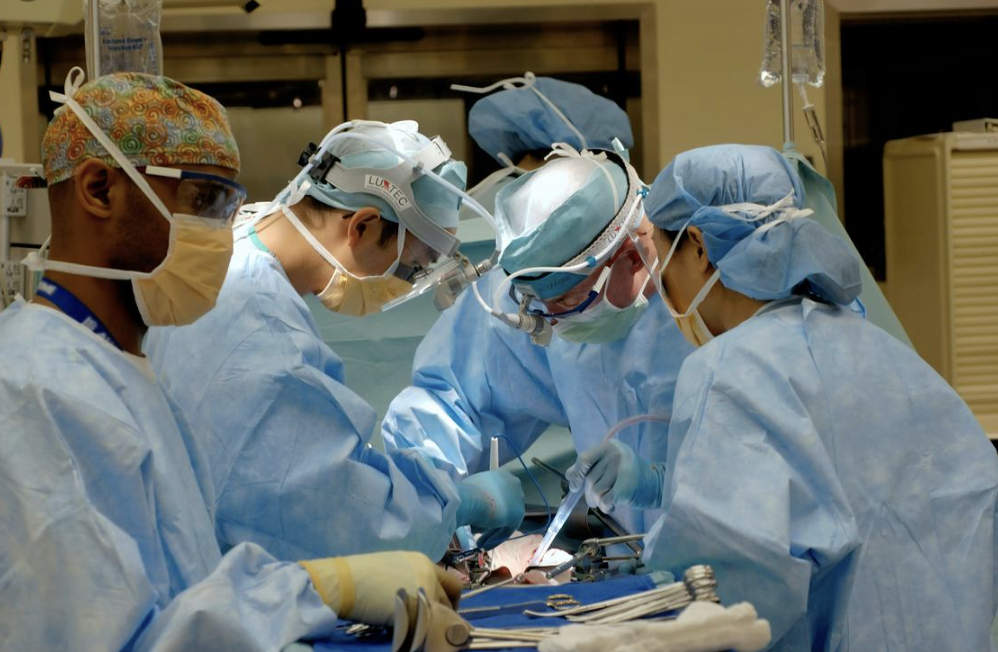
There is a way to build your career in surgery with less suffering and much more joy.
Here’s the reframe most people never offer you:
The problem isn’t that you care too much about your work.
The problem is that your entire identity has been asked to live inside one role.
When everything meaningful funnels through a single path, pressure skyrockets.
Uncertainty feels dangerous. Curiosity and creativity shut down.
And your nervous system stays on alert, just in case.
That’s not a personal failing.
That’s a structural issue.


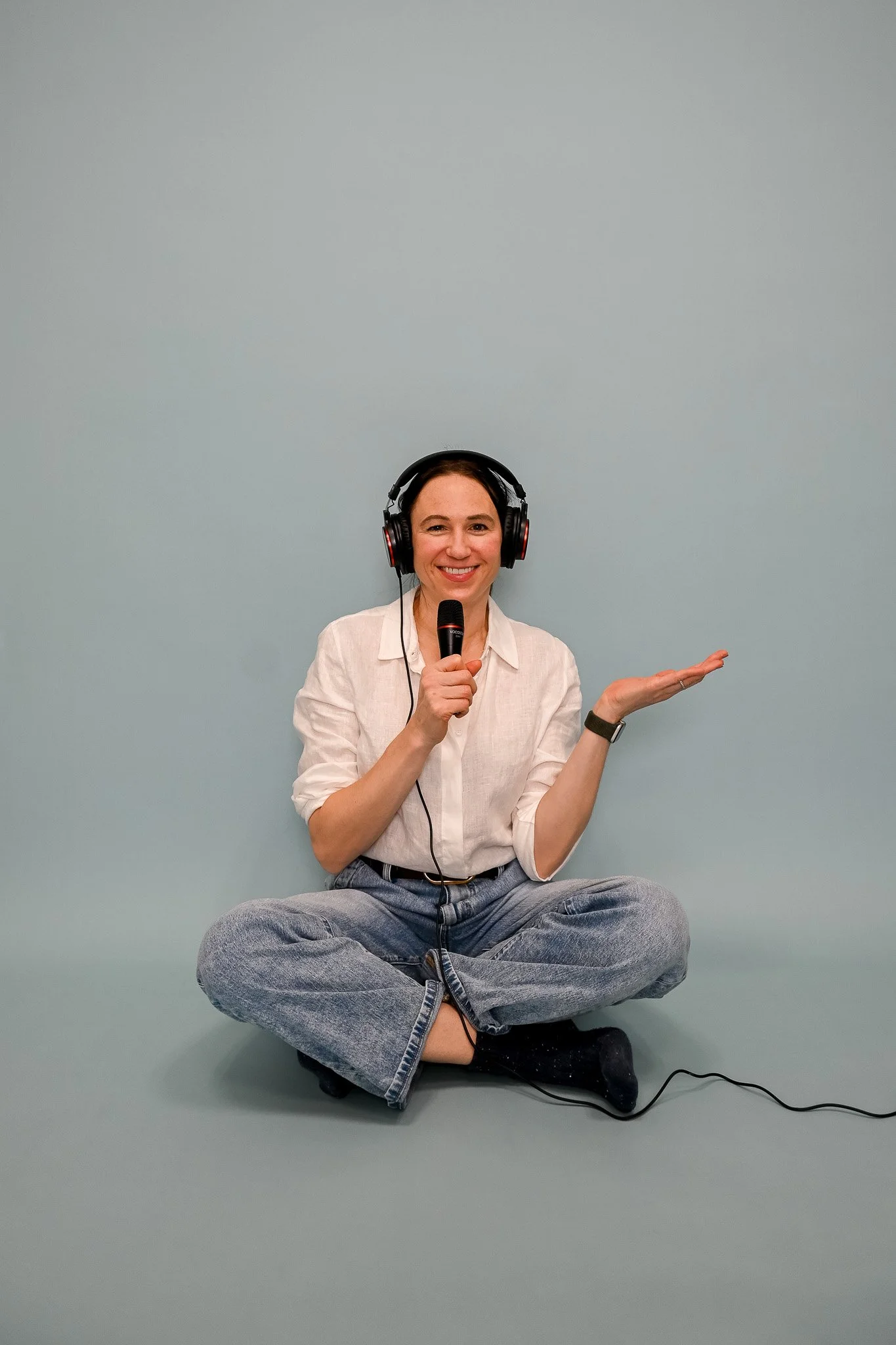
What would happen if we built robust identities outside of surgery?
Even when our brain insists there’s no time.
Even when we tell ourselves we shouldn’t stop replaying what went wrong or scanning for the next complication.
Even when stepping away feels irresponsible.
What if having a fuller identity didn’t make us worse surgeons — but steadier ones?
More grounded. More present. Less driven by fear.
What if curiosity, rest, creativity, and connection weren’t distractions from excellence, but what allowed us to sustain it?
What if a life with more than one center made pressure easier to carry — and decisions easier to make?
What if overthinking about work wasn’t the price of caring, and wholeness wasn’t a threat to competence?
Here’s the good news. Even if you can’t visualize this right now, I want you to know it is possible.
I KNOW BECAUSE I LIVED IT.
All of this happened while I was still practicing as a surgeon — during one of my most successful and purposeful years in medicine.
In that same year:
I cared for my patients and maintained excellence in my work while also building a coaching business that generated over $220K in six months helping surgeons suffer less
I grew an engaged social media audience of 43,000+
I began and expanded my email list
I created and launched Empowered Surgeons
I become a Master Certified Coach
I gave my second TEDx talk
I co-founded a physician-led media company
I did all of this NOT for the escape plan or for capitalist interests or out of fear.
I did this because a part of me knew that my purpose on this earth is to help surgeons suffer less. I had to honor that, and once I did (while risking being called cringe or less-than-serious by my own community of surgeons) I became my very best surgeon self.
My identity of ‘surgeon’ had to make space for all of me.
This didn’t happen because I pushed myself harder or demanded the impossible.
It happened because more of me was allowed to exist.
The part of me devoted to patients.
The part of me committed to my own internal growth.
The part of me expanding skills beyond surgery.
The part of me making dinner for my kids and being present at home.
Instead of letting my scared brain insist it was unsafe to stop thinking about work, I learned how to protect those parts and let them all have space.
I also want to name this clearly: this was not a solo effort.
My husband carries the lion’s share of managing our life and home, and that support mattered. And I invested a lot in coaching.
When my identity was collapsed entirely into being a surgeon, there was a real cost — to my relationships, integrity, and career.
Wholeness didn’t make me less effective.
It’s what made everything sustainable.
What Will You make space for In your life?
Here’s a look at surgeons who’ve diversified their identities and made space for more of themselves.
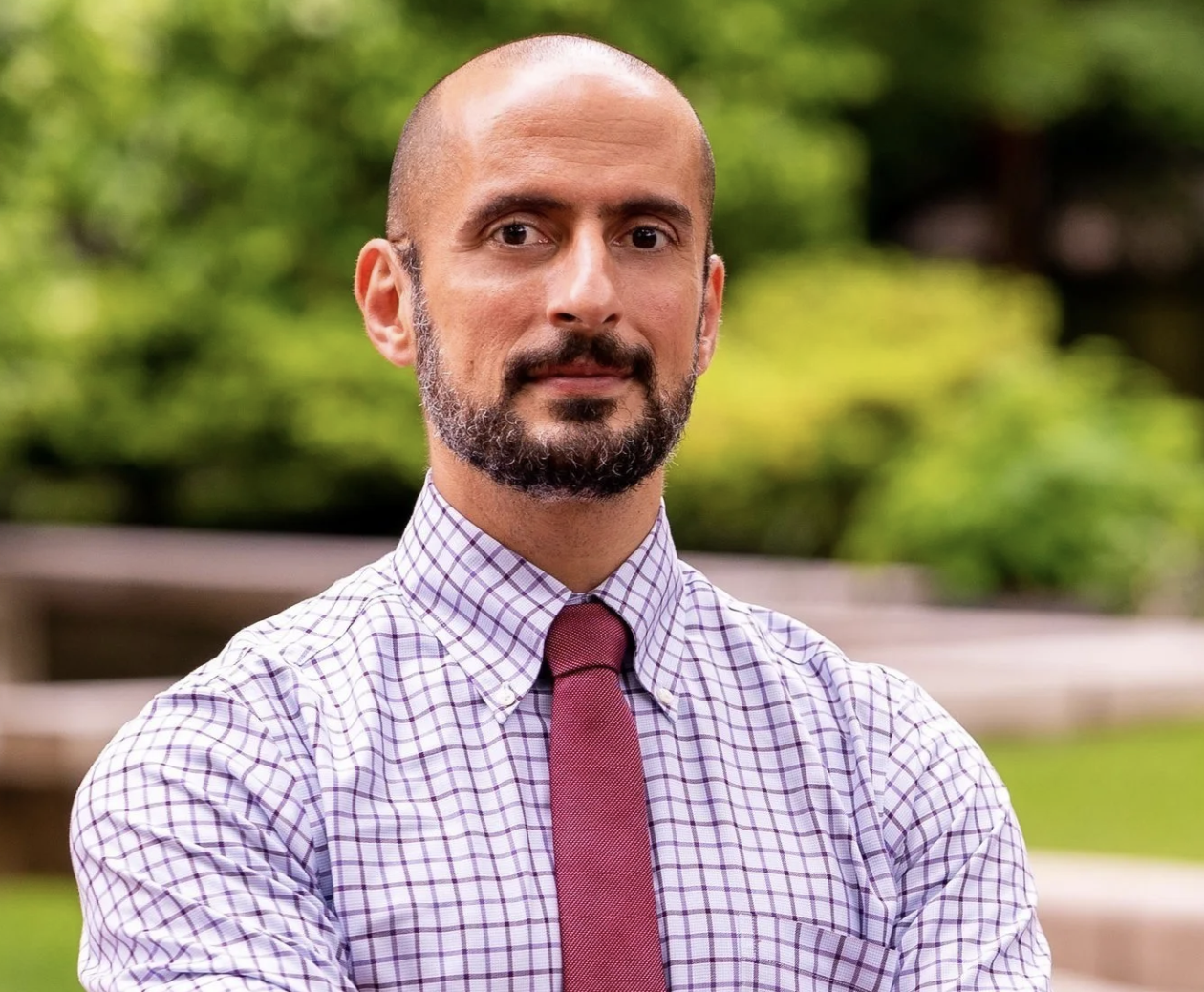
Mark Shrime, MD, PhD, Surgeon, Speaker, Coach Author, American Ninja Warrier
Mark is a surgeon, author of Solving for Why, TEDx speaker, coach, and cat dad who bridges the worlds of medicine and human potential. He brings elite medical and academic credentials to his coaching practice, where he helps high-achievers navigate burnout, and life's most challenging decisions.
He’s operated and taught across three continents—from Haiti to Madagascar—which has given him a firsthand look how people make life-altering decisions under pressure.
That led him to a PhD in the science of decision-making, where he studied how we actually make choices when the stakes are highest.
And in all that, he burned himself out. Three times.
The combination of clinical and personal experience—plus decision science expertise—forms the foundation of his coaching practice.
When he is not in the operating room or coaching clients, you'll find him rock climbing, competing on American Ninja Warrior (Seasons 8, 9, and 11), or behind a camera. He approaches challenges—whether surgical, personal, or athletic—with the same curiosity and precision.
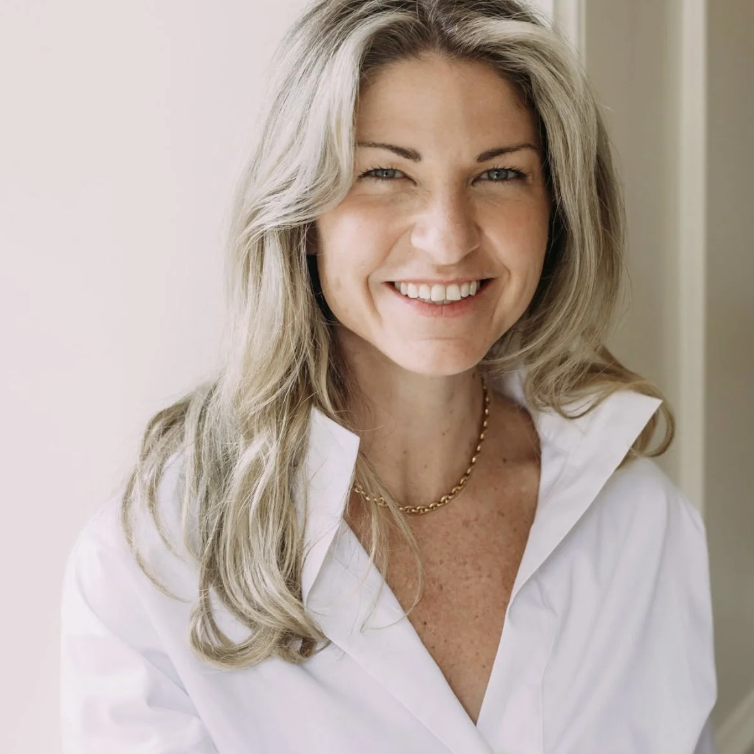
Cornelia Griggs, MD, Surgeon, Author, Mother, ex-Theater kid
Dr. Cornelia Griggs is a Pediatric Surgeon and Assistant Professor in Surgery at Harvard Medical School, Massachusetts General Hospital. She graduated from Harvard College with a certificate in Health Policy from the Kennedy School of Government and completed her medical degree at the Columbia University College of Physicians & Surgeons. After medical school, she completed her residency in General Surgery at Massachusetts General Hospital where she also completed a fellowship in Surgical Critical Care. She then completed a fellowship in Pediatric Surgery at the Children’s Hospital of New York/Columbia University Medical Center.
Dr. Griggs has made numerous television appearances on CNN, Good Morning America, NBC News, and other shows. Her writing has appeared in The New York Times, The Washington Post, the New England Journal of Medicine, Annals of Surgery, and other publications. Her first book “The Sky Was Falling” will be released in March 2024.
When she isn’t operating or writing, Cornelia is mother to two young children and a golden retriever named Magic.
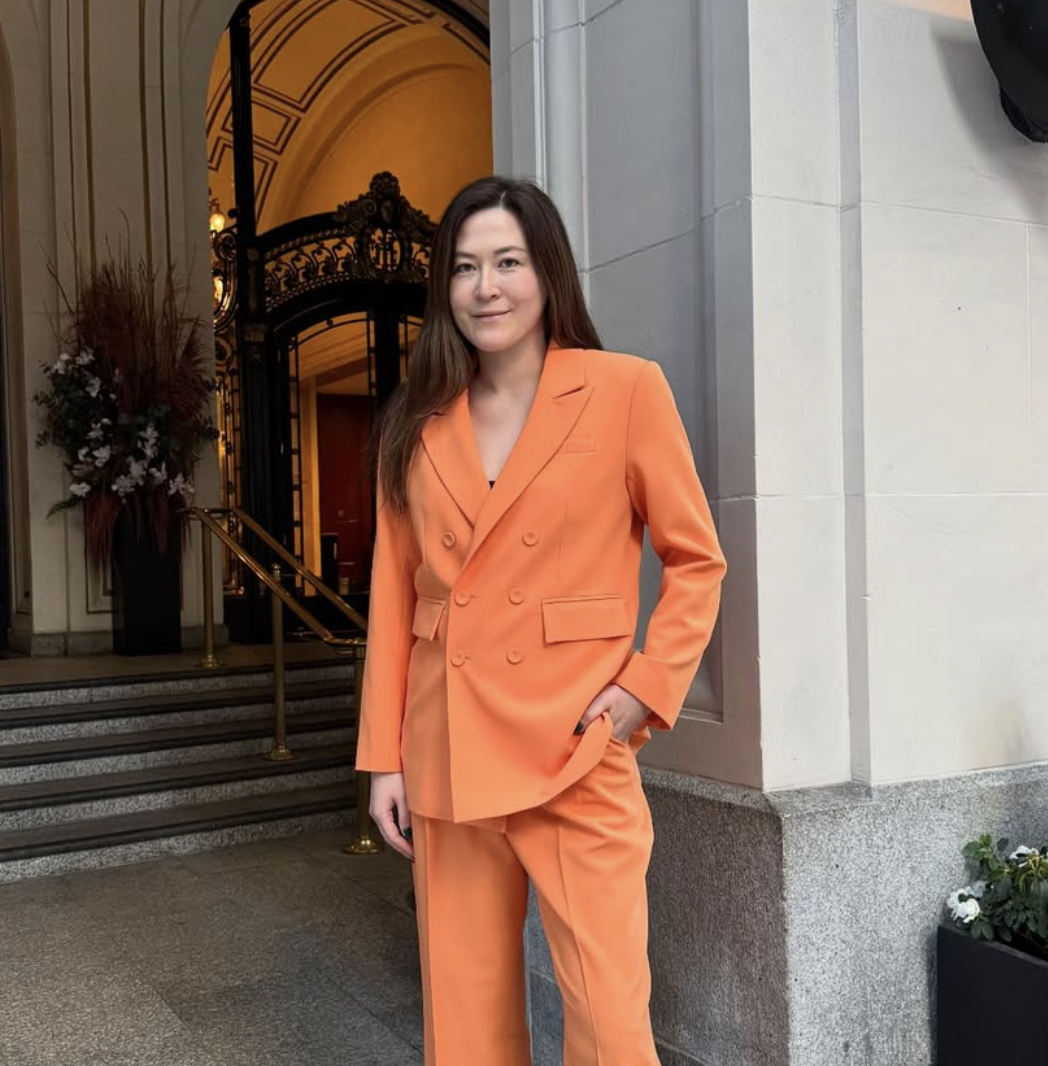
Frances Mei Hardin, Surgeon, Writer, Thought Leader, Co-Founder Hippocratic Collective
Frances Mei Hardin, MD, is a reformed gunner. She survived ENT residency, practiced solo in the rural South, and then peaced out of medicine entirely to start the Hippocratic Collective. She decoupled her self-worth from her identity as a surgeon, survived an ego death, and is now entering her mogul era—writing her first book, building a physician-led media empire, and making the kind of stuff she wishes existed back when she was white-knuckling her way through surgical training. She no longer thinks being a doctor is her whole personality. You shouldn't either.
Introducing
The Diversification Lab

The Diversification Lab is a structured, guided process for expanding your identity beyond a single role — without losing excellence, ambition, or integrity.
It’s a self-paced lab designed to help you separate who you are from what you do, recognize fear-based thinking without being run by it, and intentionally build a more robust internal life alongside your work as a surgeon.
Inside, I walk you step-by-step through the exact frameworks, questions, and practices I used during my most successful years in medicine — so you’re not left trying to “figure it out” on your own.
This isn’t theory.
It’s a practical, thoughtful roadmap for building a steadier sense of self — one that supports your work, your relationships, and your future.
MODULE 1Module 1: Stop Allocating to One Role
Identity problem:
Surgeons have unknowingly put 90–100% of their identity into one asset: professional performance as they were taught.
Outcomes, reputation, compensation, approval — these have become the primary (and sometimes only) source of safety and self-worth.
This module teaches surgeons to:
recognize identity over-concentration
see perfectionism as an identity risk, not a virtue
stop outsourcing worth to external metrics
This is not about lowering standards.
It’s about reducing volatility.
Identity diversification begins when we stop asking one role to do the job of an entire self.
Result: Emotional pressure decreases immediately because the system is no longer leveraged to collapse.
MODULE 2Module 2: Re-Anchor Identity to Values
When identity collapses into a role, values disappear — or become theoretical.
This module reallocates identity capital into stable, internal anchors:
autonomy
family
mastery
creativity
contribution
integrity
relationships
health
curiosity
Surgeons learn to:
name what actually matters now
see where identity is misaligned with values
understand suffering as misallocation, not failure
Values become non-negotiable holdings in the identity portfolio.
A diversified identity has multiple anchors — not just one job title.
Result: Life starts to feel oriented instead of reactive.

MODULE 3Module 3: Restore the Body as an Identity Asset
Surgeons are taught to treat the body as a tool — not a participant.
Long-term override drains identity energy and creates fear, panic, and depletion. When the body rebels, identity collapses further because the system has no backup.
This module teaches surgeons to:
understand the body as an intelligent, protective system
stop interpreting sensations and emotions as weakness
relate compassionately to fear, shame, and survival parts
rebuild trust with their own nervous system
The body becomes a stabilizing asset, not a liability.
A diversified identity includes the body — not just the mind and résumé.
Result: Energy returns. Capacity increases. Fear loses its grip.
MODULE 4Module 4: Reclaim Authorship
When identity is fused to one role, the brain interprets change as danger and spins catastrophic stories.
This module separates:
Self (the observer, the chooser)
from Brain (the meaning-maker)
Surgeons learn to:
see circumstances as neutral
recognize default narratives
interrupt fear-based meaning
consciously author interpretations aligned with the life they want
This is where identity becomes self-directed instead of role-dependent.
Diversification isn’t just adding assets — it’s learning who manages the portfolio.
Result: Agency. Calm. A future that feels expandable rather than threatening.


I’VE GOT YOU!
If you’re a surgeon who has done everything right — trained hard, stayed vigilant, held yourself to an impossible standard — and still feels like your entire life is balanced on one role… you’re in the right place.
I’ve got you.
You’re not lazy, ungrateful, or failing at resilience.
You’re a high-capacity human who has been asked to carry too much meaning, worth, and safety in one place.
You care deeply about your patients, work, and integrity.
You also care about your people at home. About being present and having a life that doesn’t disappear the moment you leave the hospital.
You don’t want to stop being excellent.
You just don’t want excellence to cost you your wholeness.
The Diversification Lab is for surgeons who are ready to build a steadier sense of self — one that supports their work instead of being consumed by it.
If you’re ready to stop asking one role to hold your entire life…
you’re ready for The Diversification Lab.